To stop, you just need to start
You don’t need to achieve everything at once… you just need to start. And every day without smoking is already a victory!
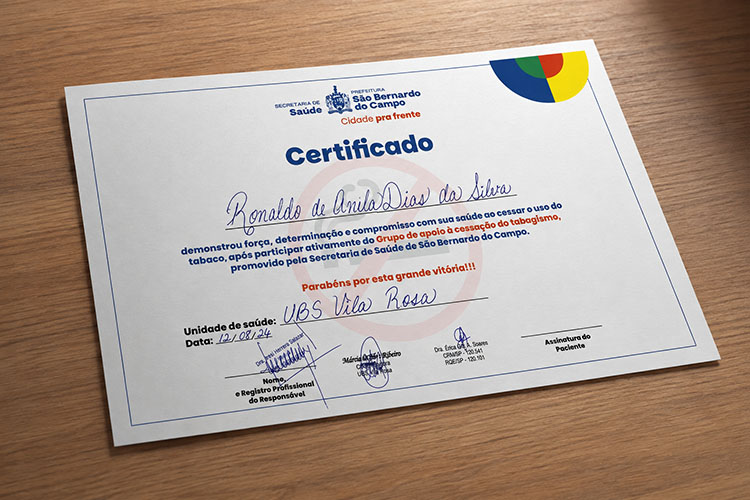
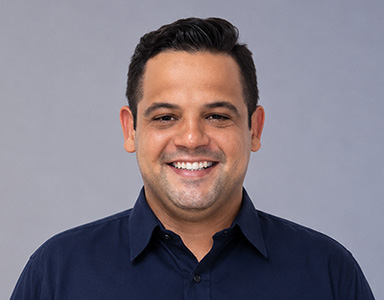
90 days ago, Ronaldo Avila, our Supply Chain Manager, decided it was time to take better care of himself and quit smoking. It wasn’t a change that happened overnight. It was a journey of discoveries, challenges, achievements, and, above all, learning. Throughout this period, Ronaldo received professional support and found new ways to deal with the moments when the urge to smoke appeared.

Today, he shares this experience in the hope that his story may inspire those who want to quit smoking but still don’t know how to take the first step. Check out the interview and learn about Ronaldo’s journey.
1. What made you realize that it was time to quit smoking and make this decision?
I think there came a point when I realized that I needed to do something for myself. I already knew that smoking was not good for me, but this time I was able to see that I no longer wanted to be dependent on cigarettes.
2. What positive changes have you experienced over these 90 days?
There have been several changes, and some of them even surprised me. I noticed that I have more energy in my daily life, a greater sense of well-being, and an improvement in my routine. Mentally, I started to feel more confident because I realized that I was succeeding.
3. How important is it to seek specialized help?
For me, it was essential. We often think that quitting smoking depends solely on willpower, but I learned that you don’t have to go through it alone. The support from the professionals, their guidance, and the conversations helped me better understand the process, identify some difficulties, and find different ways to deal with them. I felt supported, and that made a big difference. If you have an opportunity to seek help, my recommendation is: take it. Having trained people by your side makes the journey much easier.
4. Did you feel like smoking again? How did you deal with it?
Yes, there were some moments when I felt the urge. And that’s when I started to understand that it wasn’t just the cigarette, but also some habits and situations that were associated with it. For example, I changed the environment where I used to have coffee and tried to create new associations with that moment. Even taking a colder shower helped in some situations to shift my focus and get through the urge. The most important thing was realizing that the urge comes, but it also goes away. Once you start identifying your triggers, it becomes much easier to find an alternative and move forward.
5. What would you say to someone who thinks, “I want to quit, but I don’t know if I’ll be able to”?
I would say: don’t wait until you’re certain you’ll succeed before you start. Start believing that it’s possible and take it one step at a time. I also had doubts and difficult moments, but today, after these 60 days, I can say that it has become much easier and that the whole process was well worth it. And most importantly: don’t be ashamed to ask for help. Everyone has their own time and their own process. If you want to quit, seek support, talk to professionals, and don’t give up because of a difficulty. The most important thing is to start. If I could leave one message, it would be this:
You don’t need to achieve everything at once; you just need to start. And every day without smoking is already a victory!
It is important to point out that all of this support was provided free of charge through the Smoking Cessation Program offered by Brazil’s Unified Health System (SUS). I had access to the necessary support and guidance at no cost. So, if you are also thinking about quitting smoking, visit a healthcare facility in your area and ask about the program. Help is available, it is free, and it can be the first step toward changing your life.